




Под сырьем для производства полиэфирсульфона (PES) понимается базовая форма полиэфирсульфона (PES), высокоэффективного конструкционного термопластика, известного своей исключительной термостойкостью, химической стабильностью и механической прочностью. Материалы на основе полиэфирсульфона широко используются в отраслях, где критически важны долговечность и высокотемпературные характеристики, включая медицину, фильтрацию, электронику и аэрокосмическую промышленность.
1. Обзор материалов для педиатрической хирургии.
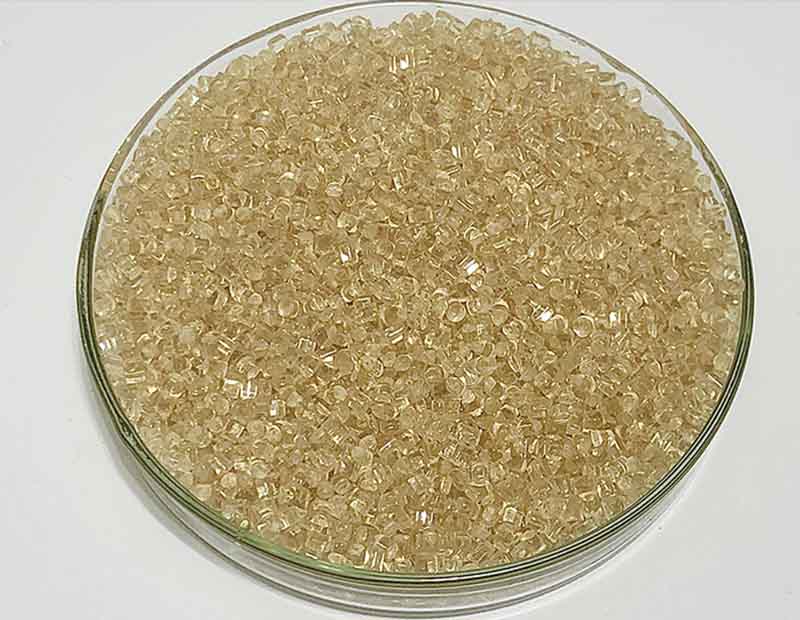
Материалы на основе полиэфирсульфона (PES) представляют собой аморфные полимеры, принадлежащие к семейству сульфонов, аналогичные полисульфонам (PSU) и полипропиленсульфонату (PPSU), но обладающие более высокой термостойкостью. PES обычно имеет прозрачный или светло-янтарный цвет, обеспечивая превосходную стабильность размеров и гидролитическую стойкость.
Основные характеристики сырья для производства пенополистирола:
Высокая температура непрерывной эксплуатации – до 180°C.
Отличная химическая стойкость к кислотам, щелочам и моющим средствам.
Превосходная гидролитическая стабильность – подходит для многократной стерилизации паром.
Исключительная стабильность размеров даже в условиях высокой влажности.
К распространенным областям применения полиэфирсульфона относятся мембраны для фильтрации воды, корпуса медицинских приборов, компоненты аэрокосмической отрасли и оборудование для пищевой промышленности.
2. Физические и химические свойства сырья для производства пескоструйной продукции.
Свойства исходных материалов из полистирола сочетают в себе высокие тепловые характеристики с прочными механическими и электрическими свойствами:
| property | typical value |
|---|---|
| температура стеклования (tg) | ~225°C |
| непрерывная рабочая температура | 180°С |
| предел прочности | 90–100 МПа |
| водопоглощение (24 ч) | <0.4%<> |
| chemical resistance | excellent against acids/alkalis |
chemical resistance of pes materials makes them ideal for filtration and medical environments where aggressive cleaning agents are used. pes resists hydrolysis, ensuring long-term stability in hot water and steam.
3. pes raw materials manufacturing process
the pes manufacturing process involves several steps to ensure purity and performance:
polymerization reaction – pes is synthesized via condensation polymerization of bisphenol s (bps) and dichlorodiphenyl sulfone under alkaline conditions.
purification – removing residual solvents and unreacted monomers.
pelletizing – converting into uniform granules for processing.
quality testing – verifying thermal, mechanical, and chemical resistance properties.
processing pes materials typically includes injection molding, extrusion, and thermoforming. as with other sulfone polymers, pre-drying before processing is crucial to prevent defects caused by moisture.
4. pes vs psu vs ppsu: high-performance plastics comparison
| property | pes | psu | ppsu |
|---|---|---|---|
| max continuous use temp | 180°С | 170°c | 180°С |
| transparency | transparent/amber | transparent/amber | transparent/amber |
| impact resistance | good | good | excellent |
| chemical resistance | excellent | good | excellent |
| cost | higher than psu | moderate | higher than psu |
pes vs psu: pes has a higher glass transition temperature and better thermal stability than psu.
pes vs ppsu: ppsu offers better impact strength, but pes provides superior dimensional stability at high temperatures.
for engineers comparing pes vs psu vs ppsu, pes is often chosen when thermal stability and chemical resistance are top priorities.
5. sustainability and pes plastic recycling
with growing environmental awareness, pes raw materials are being evaluated for sustainability and recyclability:
durable performance reduces waste by extending product life.
pes plastic recycling process allows for reprocessing clean, uncontaminated scrap.
chemical recycling research aims to recover monomers from pes waste for reuse in new materials.
manufacturers are also adopting greener pes manufacturing processes by minimizing solvent usage and improving energy efficiency.
pes raw materials are a versatile and reliable choice for industries requiring heat resistance, chemical durability, and long-term performance. whether used in filtration membranes, medical devices, or aerospace components, pes materials deliver exceptional results. with advancements in recycling and sustainable production, pes is positioned to remain a leading high-performance plastic for the future.
